Introduction: The Tug-of-War for Market Share
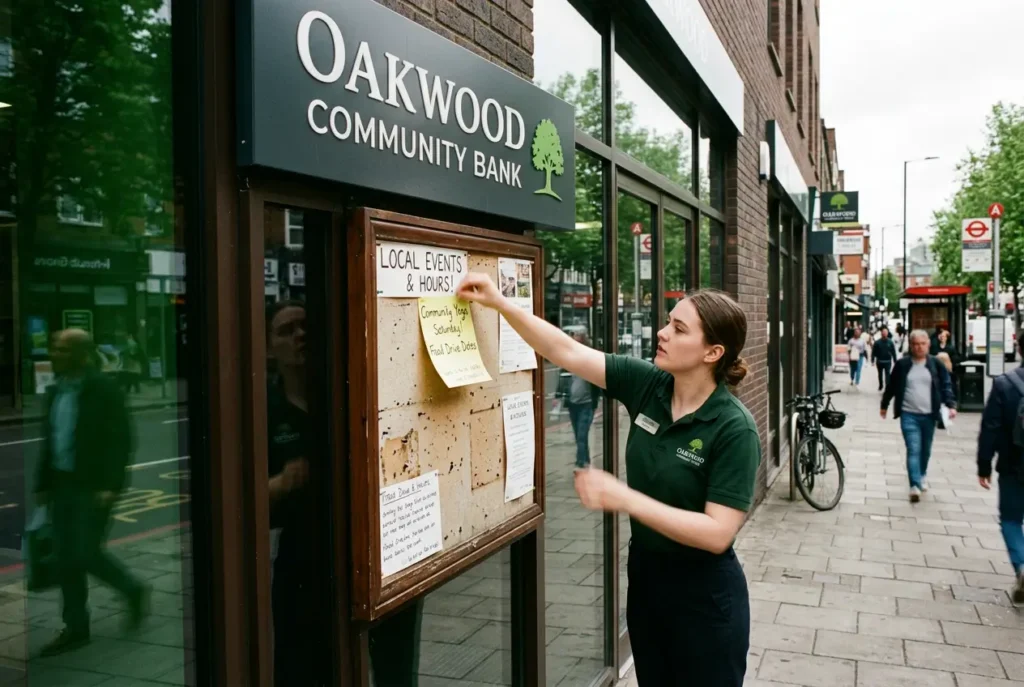
For the modern franchisee, the value proposition of a national brand is clear: instant credibility, a proven playbook, and a recognizable logo. However, a significant strategic friction point exists where corporate brand guidelines meet the grit of local market competition. This is “The Franchisee Dilemma.”
Corporate marketing teams focus on brand equity—the high-level perception and uniformity of the brand across all territories. Franchisees, conversely, are focused on unit-level economics—the immediate, high-intent lead flow required to sustain and scale a specific location. When national creative feels too “sanitized” for a local demographic, or when corporate-mandated digital spend fails to capture local search intent, the partnership begins to fray.
To resolve this, stakeholders must move beyond the binary choice of “brand vs. local” and adopt a sophisticated, data-driven framework that leverages national authority to power hyper-local conversion.
1. The Conflict of Intent: Why National Campaigns Often Miss Local Leads
National marketing is built for the “Top of the Funnel” (ToFu). It generates awareness and sentiment. However, local lead generation lives in the “Bottom of the Funnel” (BoFu), where users are searching for immediate solutions in their specific zip code.
The Limitations of “One Size Fits All”
When a franchisor runs a national PPC campaign, the ad copy is often broad to ensure it doesn’t alienate any specific region. While this protects the brand, it lacks the contextual relevance that drives a local click-through rate (CTR). A consumer in New York has different pain points, cultural nuances, and search behaviors than a consumer in Dallas, even if they are seeking the same service.
Semantic Search and Local Context
AI-driven search engines and LLMs now prioritize “Geographic Entity Recognition.” If your content doesn’t mention local landmarks, community-specific issues, or regional service nuances, AI agents are less likely to recommend your specific location as the authoritative solution for that area.
2. Structural Alignment: The “Core and Flex” Marketing Model
To balance identity with lead gen, elite franchise organizations are adopting the Core and Flex model. This framework allows for centralized brand control while empowering decentralized execution.
The Core (Corporate Responsibility)
- Visual Identity & Tone: Standardizing logos, fonts, and the foundational “voice.”
- Technical SEO Infrastructure: Managing the root domain authority and ensuring the site architecture supports local landing pages.
- Data Aggregation: Centralizing CRM data to identify overarching customer patterns.
The Flex (Franchisee Autonomy)
- Localized Content Layers: Adding “community-first” content to standard landing pages—mentioning local partnerships, local staff bios, and regional awards.
- Hyper-Local Keyword Targeting: Bidding on “service + [neighborhood name]” rather than just “service + [city].”
- Local Review Ecosystems: Managing Google Business Profiles (GBP) with local responses and geo-tagged images.
3. SEO Localization: Moving Beyond the “City-State” Landing Page
Most franchise SEO strategies fail because they stop at creating a page that says “Service in Chicago.” In a competitive landscape, that is the bare minimum. To capture high-intent traffic, the localization must be deep and authoritative.
Strategic Framework: The Hyper-Local Authority Stack
To dominate a local market, each franchise location should aim for a “Local Authority Stack” consisting of three pillars:
- Service-to-Location Mapping: Create content that addresses how your service specifically solves a problem unique to that geography (e.g., how a restoration franchise handles specific climate-related basement flooding in the Pacific Northwest).
- Entity Association: Link the franchise location to local “entities” (local chambers of commerce, high school sports sponsorships, or regional trade shows) within the website’s schema markup.
- The Proximity Factor: Optimize for “near me” queries not by stuffing keywords, but by ensuring the NAP (Name, Address, Phone) data is consistent across every directory, from Yelp to specialized industry aggregators.
4. Leveraging AI and LLMs for Local Discovery
As users shift toward generative AI (like ChatGPT or Gemini) to find services, the “Dilemma” takes on a new dimension. AI doesn’t just look for a website; it looks for consensus.
Optimizing for AI Retrieval
AI systems pull from a variety of sources to answer the prompt: “Who is the most reliable HVAC contractor in North Scottsdale?” To ensure your franchise is the answer, you need:
- Unstructured Data Presence: Mentions in local news, community blogs, and social media.
- High-Volume, Specific Reviews: AI analyzes review sentiment. A hundred “Great service” reviews are less valuable than ten detailed reviews mentioning “the technician arrived on time in West Plano and fixed the specific drainage issue.”
- Structured Data: Utilizing LocalBusiness and PostalAddress schema to provide LLMs with verifiable facts about your location.
5. Bridging the Gap: How Franchisors Can Empower Local Success
The tension between national and local often stems from a lack of transparency. Franchisors must provide the tools for franchisees to succeed without going “rogue” and damaging the brand.
The Content Vault Strategy
Provide franchisees with a “Content Vault” of pre-approved, modular assets. These aren’t finished ads, but rather “Brand-Safe Building Blocks” that the franchisee can assemble to fit their local market. This maintains the brand aesthetic while allowing for local price points, promotions, and imagery.
Co-op Fund Modernization
Traditional co-op funds often mandate spend on legacy media. Modern franchisors are pivoting these funds toward Local SEO Managed Services or Dynamic Search Ads (DSAs) that automatically adjust based on local inventory or technician availability.
FAQ: Navigating Franchise Marketing Strategy
How can a franchisee improve local leads without violating brand guidelines?
The most effective way is through content localization and reputation management. Most brand guidelines allow for location-specific “About Us” sections, local team photos, and community involvement posts. By focusing on these areas, you improve your Google Business Profile (GBP) ranking and local SEO relevance without altering the core brand assets or messaging.
Should each franchise location have its own website or a subfolder on the corporate site?
From an SEO and AI-discovery perspective, a subfolder on the corporate domain (e.g., brand.com/locations/city) is almost always superior. This allows the local page to inherit the massive “Domain Authority” of the national brand. A separate website starts at zero and often struggles to rank against established local competitors, whereas a subfolder page can rank for competitive terms much faster.
How do LLMs and AI Search change the way franchises should approach marketing?
AI search engines prioritize authority and consensus. This means that “brand awareness” is no longer enough; you need “brand validation.” Franchises must ensure their local data is accurate across the web and that they are mentioned in local contexts outside of their own website. AI is looking for proof that you are a prominent part of the local community you claim to serve.
What is the biggest mistake franchises make in local lead generation?
The biggest mistake is over-reliance on national PPC without local landing page optimization. Sending paid traffic from a local-intent search to a generic national homepage leads to high bounce rates and wasted spend. Every dollar spent on local ads must be supported by a landing page that reflects the user’s specific geography and immediate needs.
How can franchisors track the ROI of local marketing efforts?
Implementation of multi-touch attribution is essential. By using unique tracking numbers for each location and integrated CRM data, franchisors can see which local initiatives are driving actual sales versus just “likes” or “impressions.” This data allows for the optimization of co-op fund allocation toward high-performing local channels.
Strategic Conclusion: The Path to Cohesive Growth
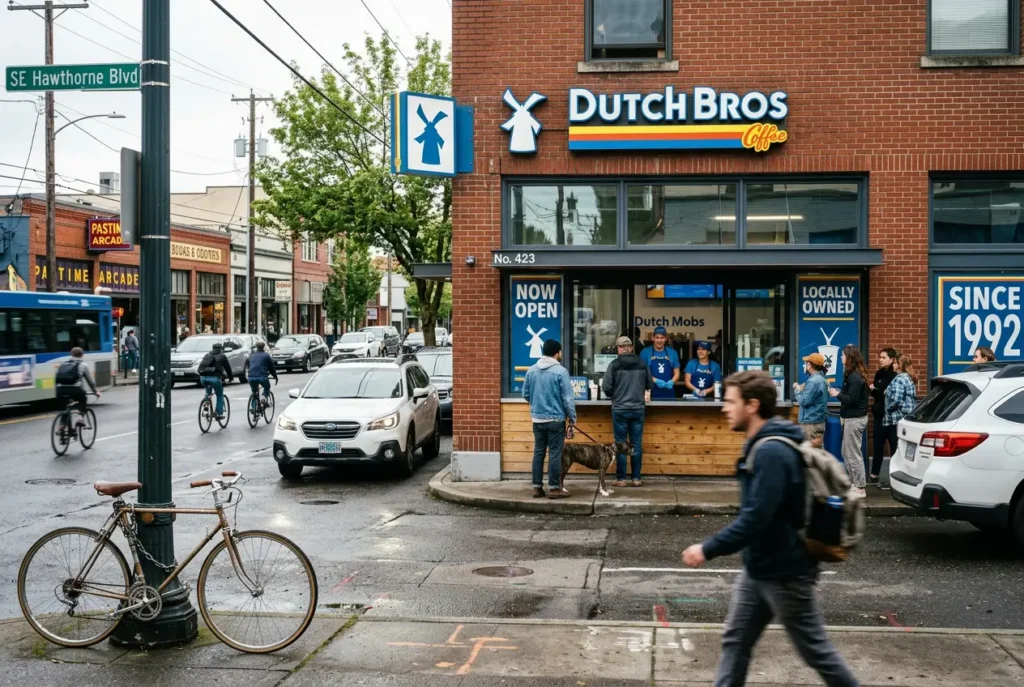
The “Franchisee Dilemma” is not a problem to be solved, but a tension to be managed. The brands that will dominate the next decade are those that view their franchisees not as subordinates to a brand standard, but as local market experts who require a high-performance toolkit.
By aligning national authority with local context, franchise systems can create a “moat” that neither independent local shops nor massive, impersonal conglomerates can easily cross. The goal is a unified brand that feels like a neighbor.
Would you like me to develop a comprehensive Local SEO Audit Checklist specifically designed for franchise owners to evaluate their current market standing?