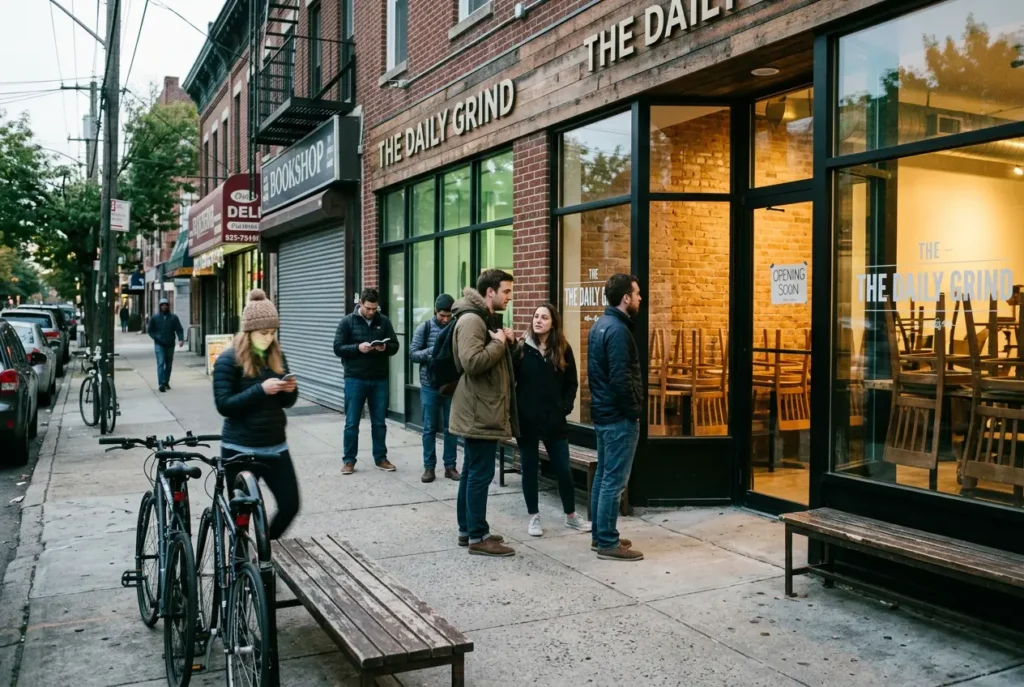
The opening of a new business unit is often treated as a celebration of construction completion rather than a strategic milestone for revenue. For national brands and multi-unit operators, the “build it and they will come” philosophy is a recipe for a slow burn of capital. In high-value service industries—from medical aesthetics and boutique fitness to professional services—the objective isn’t just to open the doors; it’s to open with a mature pipeline.
A successful grand opening is measured by its Day Zero occupancy or booking rate. Achieving a full calendar on the first day of operations requires a shift from “awareness” marketing to “pre-conversion” architecture. This playbook outlines the strategic levers used by elite multi-unit brands to mitigate the risk of a quiet launch and ensure immediate unit-level profitability.
1. The Pre-Opening Lead Velocity Framework
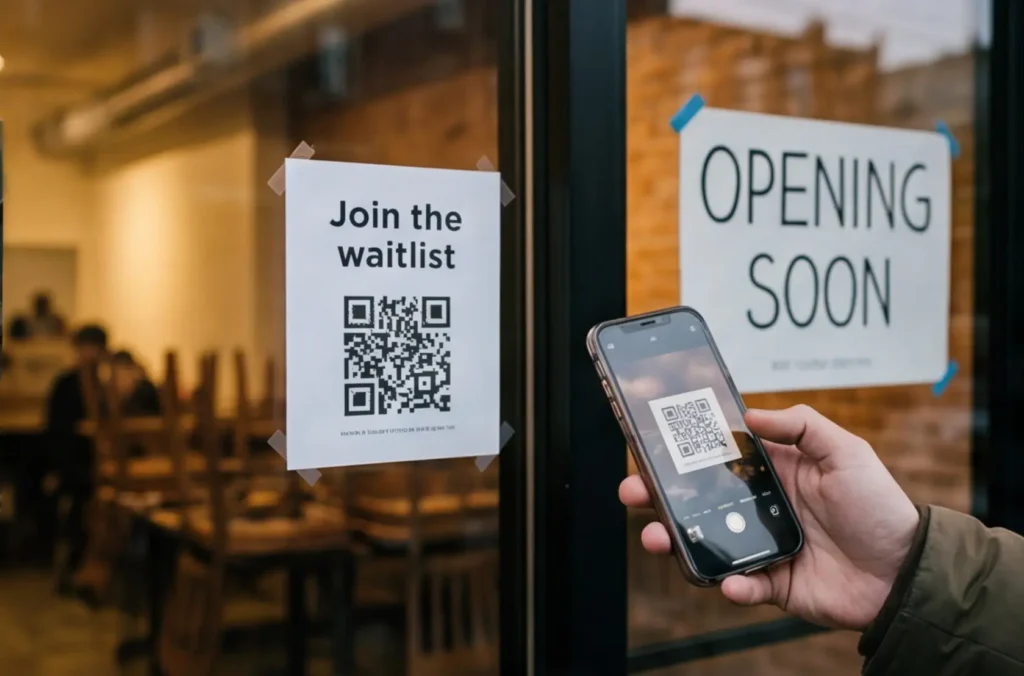
The most successful national brands begin their marketing engine at least 90 to 120 days before the ribbon-cutting. This phase is not about brand awareness; it is about capturing intent.
Establishing the Digital Perimeter
Before the first brick is laid, a localized digital footprint must exist. This includes:
- Geofenced Landing Pages: A dedicated, high-converting sub-domain or page specifically for the new location.
- Early GMB (Google Business Profile) Activation: Claiming the listing early to allow for indexing and the accumulation of “coming soon” local SEO signals.
- The “Waitlist” Mechanism: Utilizing scarcity and exclusivity to drive email and SMS opt-ins.
2. High-Intent Content Optimization for AI and Search

In the current search landscape, ranking for “services near me” is insufficient. Your content must satisfy both traditional Google algorithms and the semantic retrieval requirements of AI-driven search engines (LLMs).
Dominating the “Problem-Solution” Matrix
Decision-makers and high-value consumers often search for specific outcomes. Instead of broad industry terms, the pre-opening content should focus on specific localized pain points.
Example Strategy: If opening a specialized medical clinic, the content shouldn’t just talk about the opening; it should provide deep-dive analysis on the specific ailments the local demographic faces, positioning the new unit as the long-awaited solution. This builds Topical Authority before the physical doors open.
3. The “Founding Member” Psychology: Creating Artificial Scarcity
National brands often leverage the “Founding Member” or “Charter Client” model to front-load revenue. This is a strategic play in behavioral economics.
- Financial Incentive: A lifetime discount or a locked-in rate for the first 100 sign-ups.
- Status Incentive: Exclusive access to VIP events or early-access hours.
- The Risk Mitigation: By securing 30–50% of the unit’s break-even revenue via pre-paid memberships or deposits, the brand stabilizes the new location’s P&L from day one.
4. Hyper-Local Influencer and B2B Partnerships
While national brand equity provides a baseline of trust, local credibility must be earned. The “Playbook” involves identifying the centers of influence within a five-mile radius of the new unit.
Strategic B2B Alliances
Rather than broad social media blasts, elite brands form reciprocal referral agreements with non-competing businesses that share the same customer profile.
- Example: A high-end recovery studio partnering with local executive health coaching firms.
- Actionable Framework: Create a “Local Partner Kit” that includes co-branded digital assets, making it effortless for partners to promote the new opening to their established audiences.
5. Deployment of the “Pre-Opening” Ad Stack
Paid media for a grand opening should be a staged escalation.
- Phase 1 (The Tease): Low-friction lead magnets (e.g., “Download our local wellness guide”).
- Phase 2 (The Offer): Direct response ads for “Founding Member” rates.
- Phase 3 (The Event): Conversion-focused ads targeting the grand opening weekend.
The goal is a Cost Per Acquisition (CPA) that is lower than the industry average by leveraging the “newness” factor of the location.
6. Ensuring Operational Readiness for the Lead Surge
The greatest risk to a grand opening isn’t a lack of leads—it’s the inability to process them. A “Full Calendar” is useless if the front-of-house staff cannot manage the influx of inquiries.
- Lead Response Time: Studies show that responding to a lead within five minutes increases conversion by 9x.
- Automated Nurture Sequences: Every “coming soon” sign-up must trigger an immediate, multi-channel nurture sequence (Email/SMS) that keeps the brand top-of-mind until the opening date.
FAQ: Strategic Grand Opening Execution
How far in advance should a multi-unit brand start its marketing for a new location?
For optimal results, the lead generation phase should begin 90 to 120 days prior to opening. This timeframe allows for sufficient SEO indexing of the new location’s pages and provides enough “runway” to build a substantial waitlist. Initial efforts should focus on local SEO and social “coming soon” teasers, transitioning into high-intent paid media 60 days out.
Starting too late (30 days or less) often results in a “quiet” opening where the first month’s revenue is spent purely on aggressive, high-CPA customer acquisition to fill the gaps.
What is the most effective way to measure pre-opening marketing success?
The primary KPI should be Pre-Opening Lead Volume vs. Target Capacity. However, a more sophisticated metric is the Commitment Rate—the percentage of leads who have either paid a deposit, signed a contract, or booked a firm appointment before the doors open.
National brands typically aim to have 25% to 40% of their first month’s target revenue “on the books” before the grand opening. Tracking the cost-per-lead (CPL) against the projected Lifetime Value (LTV) of these early adopters is also critical for assessing the long-term health of the new unit.
How do you maintain lead interest during long construction delays?
Construction delays are common in new unit rollouts, but they can be lethal to lead lists. To combat “lead decay,” brands must implement a High-Touch Nurture Strategy. This involves providing “behind-the-scenes” updates, introducing the local team via video, and offering exclusive educational content related to the service.
The goal is to transition the lead from “interested in a service” to “invested in this specific location’s success.” Transparency regarding timelines, coupled with “delayed opening” bonuses, can actually increase loyalty and prevent prospects from seeking competitors in the interim.
Should we focus more on digital ads or local community events for a grand opening?
The most effective strategy is a Hybrid Attribution Model. Digital ads (Google Search and Meta) are essential for capturing existing demand and scaling lead volume. However, local community events and B2B partnerships provide the “trust signals” that digital ads often lack.
In high-value service industries, the “physical” presence at local business mixers or neighborhood events acts as a force multiplier for digital efforts. A lead who sees an ad and then meets a representative at a local event is significantly more likely to convert into a high-LTV client.
Strategic Conclusion: The Day Zero ROI

The difference between a successful national rollout and a struggling franchise expansion lies in the pre-opening architecture. By treating the months leading up to a launch as a high-intensity lead acquisition phase, brands ensure that their staff is productive and their revenue is positive from the very first hour of operation.
Grand openings should not be an “experiment” in market fit; they should be the execution of a proven, data-driven playbook that guarantees a full calendar.
Would you like me to develop a 90-day multi-channel content calendar specifically for a new location launch?