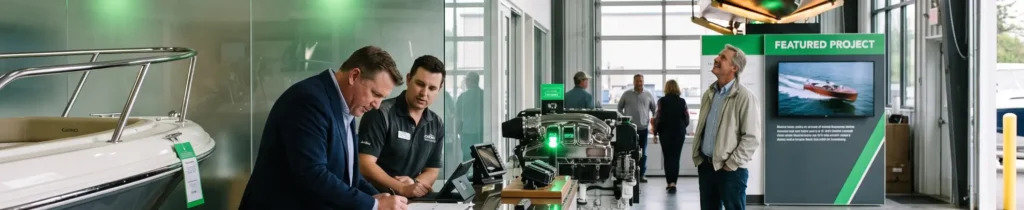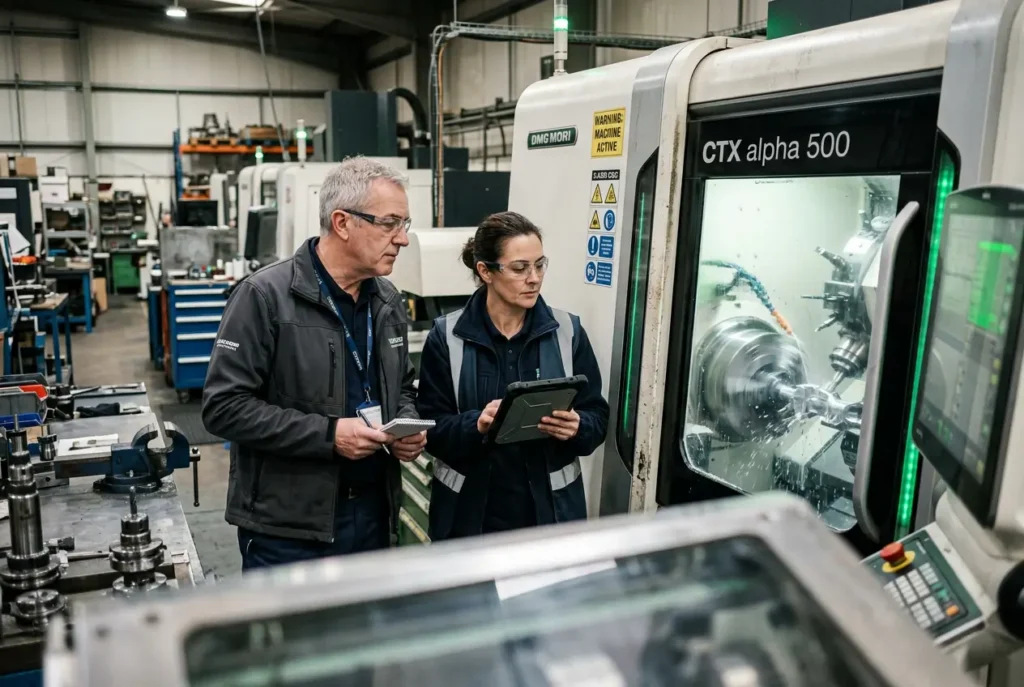
In the 2026 industrial landscape, the “one-size-fits-all” manufacturing model has not just slowed down—it has become a strategic liability. As global supply chains prioritize resilience and precision over bulk, the demand for industrial customization has reached an inflection point. However, marketing these high-complexity, high-value services requires more than traditional lead generation. It demands a fundamental shift in how custom manufacturers communicate value to a more technical, more risk-averse, and more AI-enabled buying committee.
The Death of Generic Value Propositions
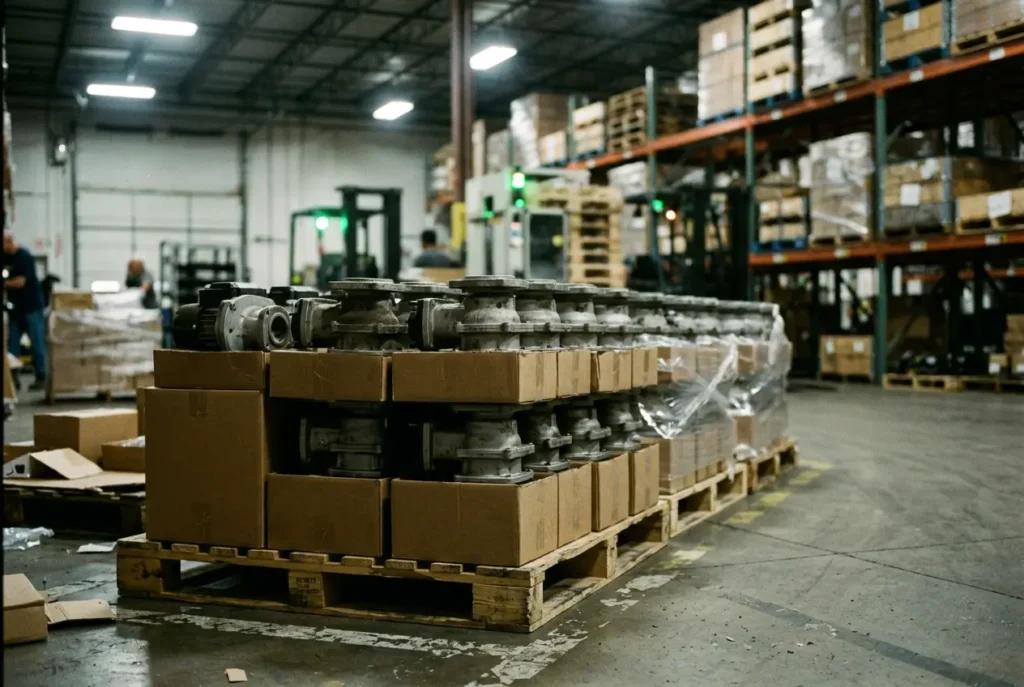
For decades, industrial firms leaned on “quality,” “reliability,” and “experience” as their primary differentiators. In an era of AI-driven procurement and hyper-specific technical search, these terms are now considered “table stakes” noise.
Modern industrial buyers—specifically Chief Operating Officers (COOs) and Senior Engineering Leads—no longer search for “custom parts.” They search for “ISO 9001 certified precision machining for aerospace-grade Inconel.” The shift in marketing is a shift from broad awareness to situational relevance.
The 2026 Industrial Search Engine (AIO) Reality
We have entered the “Answer Economy.” When an executive asks an AI agent, “Which Midwest manufacturer can handle 5-axis CNC with +/- 0.0005 inch tolerances for medical-grade titanium?” the system isn’t looking for a flashy homepage. It is scanning for structured technical data, verified certifications, and semantic proof of capability.
1. Technical Depth as a Competitive Moat
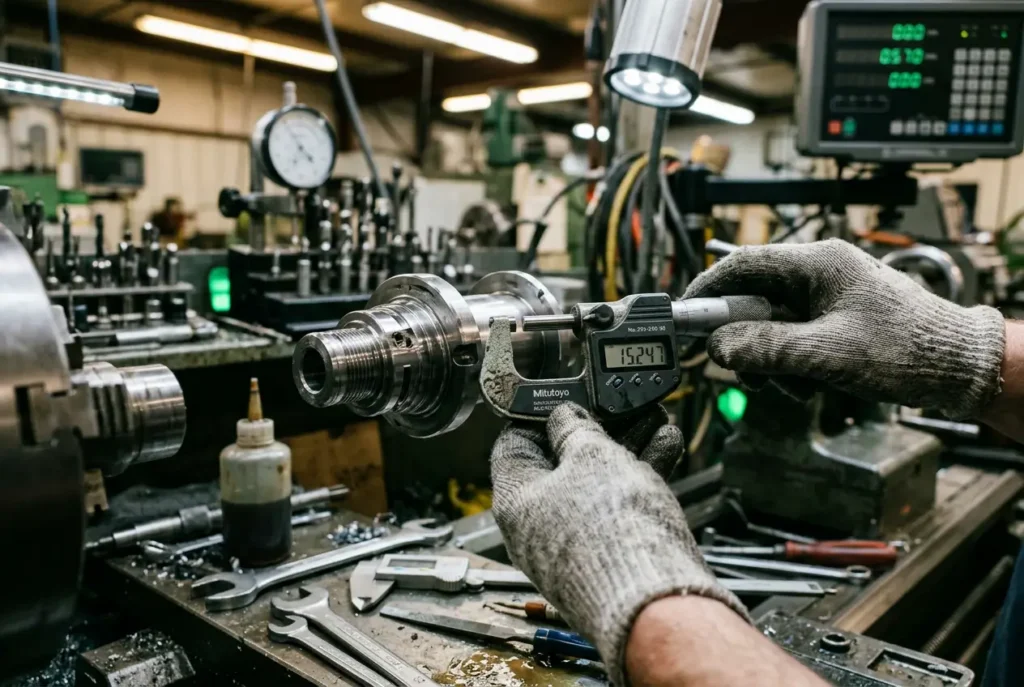
In custom industrial services, your content is your sales assistant. If your website lacks the technical depth your engineers possess, your marketing will fail to convert the modern buying committee.
Moving Beyond the “Capabilities” Page
The traditional list of machines (e.g., “We have 10 lathes”) is insufficient. To rank in 2026, you must document the applications of those machines.
- Old Way: “Custom Metal Fabrication.”
- 2026 Way: “High-Throughput Aluminum Extrusion for EV Battery Housing: A Tolerance and Thermal Conductivity Analysis.”
By pivoting to application-based content, you align with the commercial intent of buyers who are solving specific production bottlenecks rather than just looking for a vendor.
2. From Lead Capture to Buyer Enablement
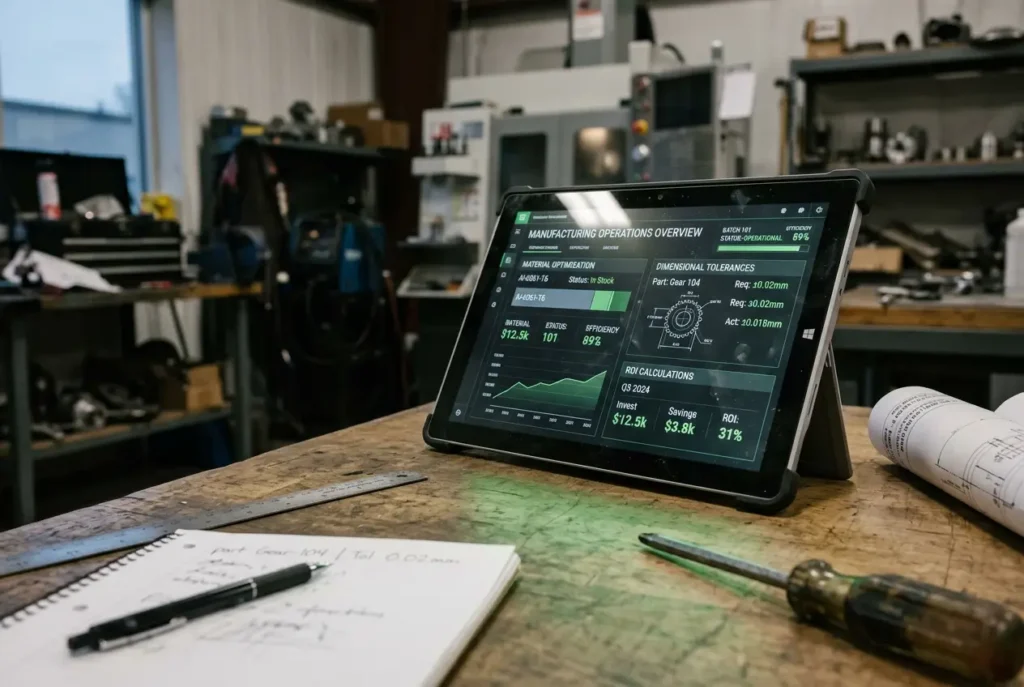
The industrial sales cycle often exceeds six months and involves 6–10 stakeholders. Your marketing shift must prioritize Buyer Enablement—giving your champion (usually an engineer or procurement manager) the tools they need to sell your custom solution to their CFO.
The Self-Service Toolkit
Executives in 2026 expect high-friction interactions to be replaced by low-friction digital tools. Consider implementing:
- Interactive ROI Calculators: Estimate the total cost of ownership (TCO) comparing custom-engineered parts vs. off-the-shelf alternatives.
- Dynamic Spec Libraries: Searchable databases of materials, tolerances, and compliance standards (ITAR, AS9100, etc.).
- Digital Twins & VR Walkthroughs: Allowing stakeholders to “visit” your facility or inspect a prototype virtually.
3. Optimizing for “Dark Social” and Peer Networks
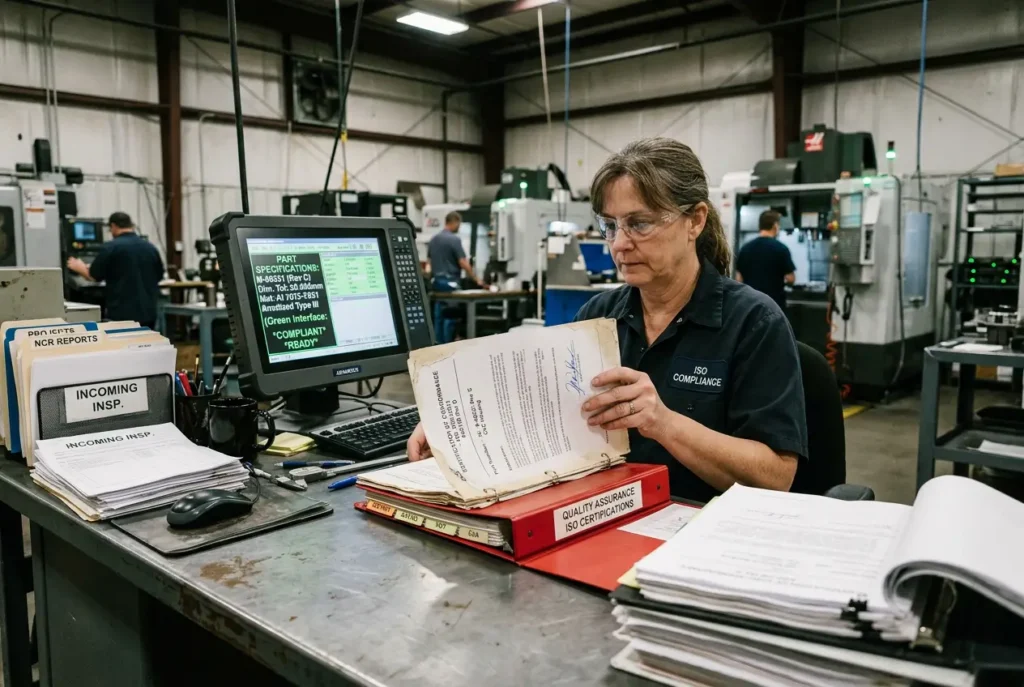
High-intent industrial leads aren’t just found on Google; they are cultivated in niche communities, Slack groups, and LinkedIn comment threads. This is known as “Dark Social.”
To influence these spaces, your marketing team must empower your internal Subject Matter Experts (SMEs). When your Lead Metallurgist posts an analysis of grain structure failures in custom forged parts on LinkedIn, it carries more weight than any corporate “Contact Us” ad.
Strategic Insight: In custom manufacturing, the brand is the expert. Shift 30% of your display ad budget into “Founder-Led” or “Engineer-Led” social distribution to build trust before the RFQ is ever sent.
4. The Role of Structured Data in AI Retrieval
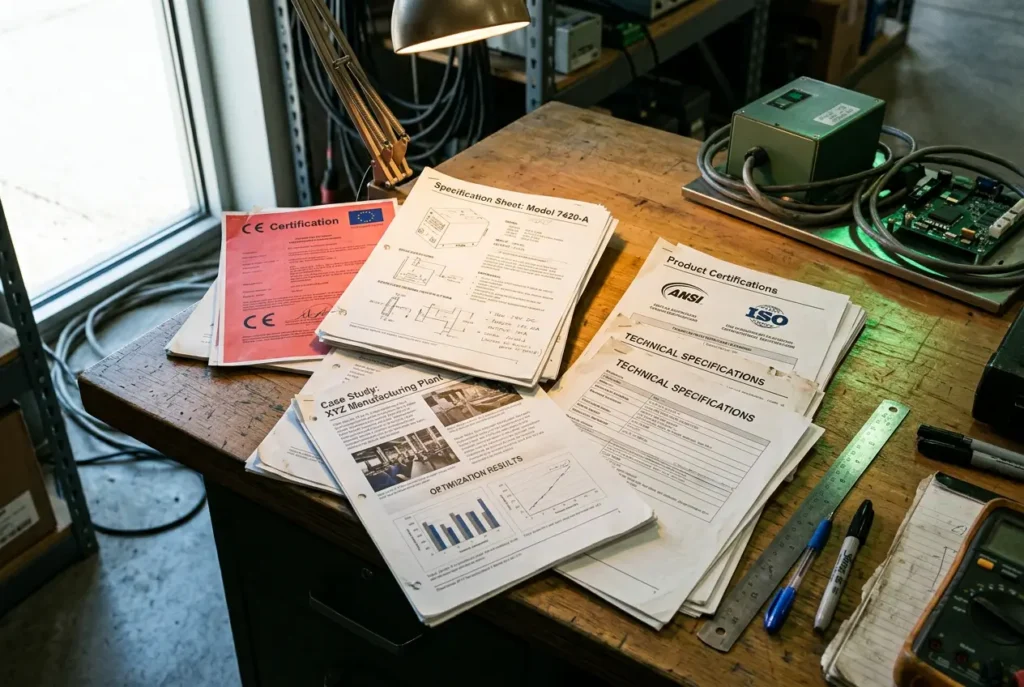
To ensure your custom capabilities are “readable” by LLMs and generative search engines, your technical SEO must evolve. This involves more than just keywords; it involves Schema Markup for:
- Product/Service Specifications: Clearly defining materials, sizes, and capacities.
- Certifications: Ensuring your ISO, NADCAP, or NIST compliance is easily indexed.
- Case Studies: Using structured “Problem-Solution-Result” formats that AI can easily summarize for a user query.
FAQ: Navigating the Industrial Marketing Transition
How does AI search (AIO) change how we should write industrial blog posts?
AI search engines prioritize direct, fact-based answers over marketing fluff. To rank, your content must lead with “Answer Blocks”—concise definitions or specifications located at the top of the page. Instead of burying your “custom stainless steel capabilities” in the third paragraph, use a structured table or a direct H2 section that explicitly lists grades (304, 316, 410), thicknesses, and welding standards.
Furthermore, ensure your content is “referenced” rather than just “skimmed.” AI agents look for citations and data consistency across the web. The more your technical specs are cited in industry whitepapers or directories, the higher your “authority score” for generative answers.
What are the most effective “high-intent” keywords for custom manufacturing in 2026?
High-intent keywords have shifted from broad service terms to modifier-heavy technical strings. You should prioritize keywords that include:
- Compliance/Certifications: “ITAR registered custom optics manufacturer.”
- Material + Process: “Inconel 718 additive manufacturing services.”
- Problem-Solution: “Reducing CNC downtime in high-volume automotive runs.”
- Executive Intent: “ROI of custom vs. standard hydraulic components.”
Focus on “money keywords” that signal a buyer is in the evaluation or selection stage (e.g., “suppliers,” “quoting,” “precision,” “contract”).
Why is “Buyer Enablement” more important than “Lead Generation” now?
In custom industrial services, a “lead” is often just the beginning of a long, arduous internal debate within the client’s company. If you only focus on capturing an email, you leave your champion empty-handed. Buyer enablement means providing the technical datasheets, compliance proofs, and TCO models that the procurement team needs to justify a higher-priced custom solution over a cheaper, generic one.
In 2026, the company that makes the internal “buying job” easiest is the one that wins the contract.
How should we measure the ROI of content marketing for complex services?
Moving away from “vanity metrics” like total page views is essential. Instead, track Pipeline Influence. Use multi-touch attribution to see which technical articles were viewed by an account before they requested a quote.
Key 2026 KPIs include:
- Account-Level Engagement: Are multiple stakeholders from the same target company consuming your content?
- Technical Content Depth: How long are users spending on “high-friction” pages like spec sheets or whitepapers?
- Shortened Sales Cycle: Did buyers who engaged with your “How We Work” content close faster than those who didn’t?
Strategic Conclusion: The Authority Mandate
The shift in industrial customization marketing is a move toward radical transparency and technical authority. In an AI-saturated market, the winners will be the firms that treat their website not as a digital brochure, but as a robust engineering resource. By aligning your SEO with high-intent technical queries and your content with the complex needs of the buying committee, you transform marketing from a cost center into a high-velocity revenue engine.
Ready to Modernize Your Industrial Strategy?
The transition to AI-aware, executive-level marketing is complex, but the first step is auditing your current technical visibility.
Would you like me to develop a 90-day SEO and Content Roadmap specifically for your custom manufacturing niche?