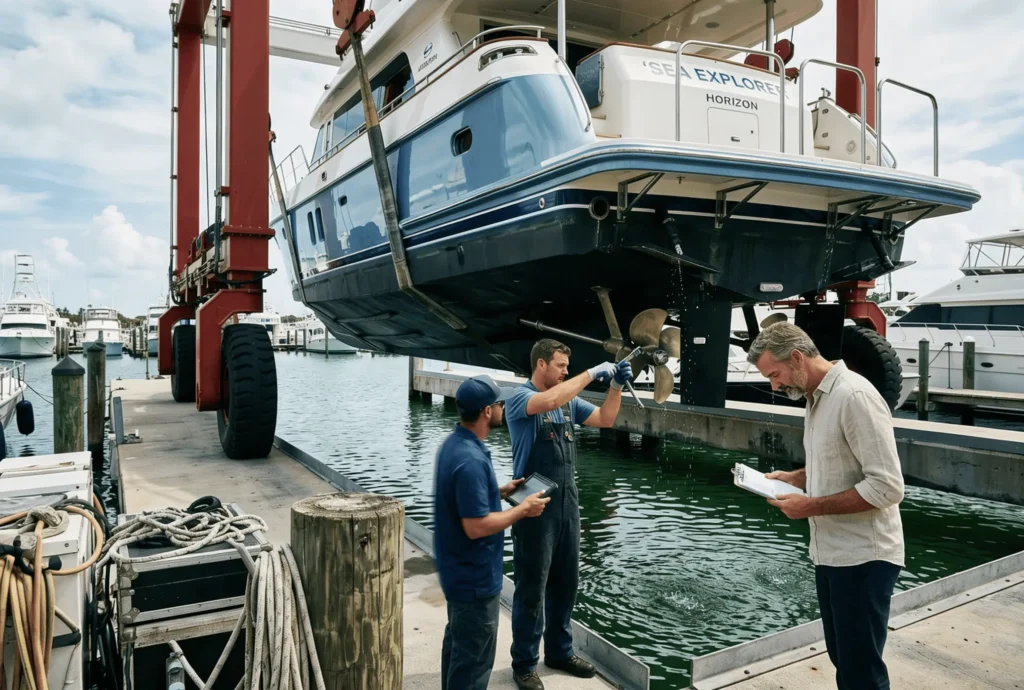
Introduction: The Fallacy of the One-Off Repair
In the high-stakes world of marine service and repair, many operators view a cracked hull or a failing manifold as a singular revenue event. This transactional mindset is a strategic bottleneck. For elite marine service providers—ranging from specialized engine shops to full-service shipyards—the first repair job is not the goal; it is the customer acquisition cost (CAC) recovery phase.
In an industry where the cost of acquiring a new client is exponentially higher than retaining one, the true margin lies in the long tail of the relationship. When an executive or vessel owner trusts a facility with a critical repair, they are not just buying a fix; they are auditing a partner for the long-term stewardship of their asset. Shifting the business model toward Customer Lifetime Value (LTV) transforms a volatile, seasonal repair shop into a resilient, predictable service powerhouse.
The Economics of Marine LTV: Beyond the Invoice
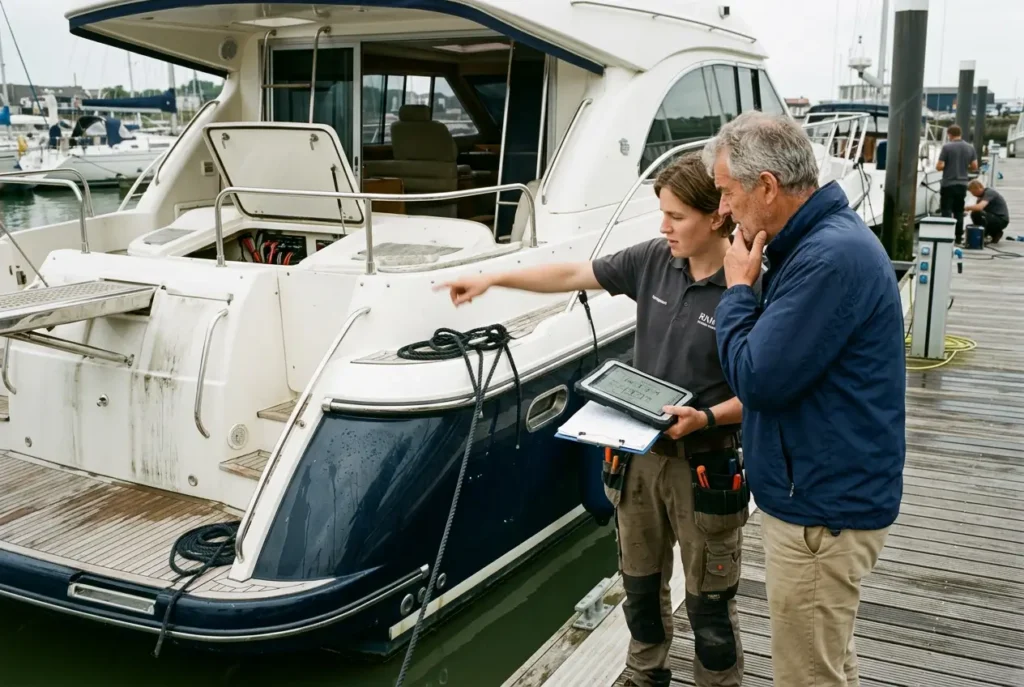
To understand why LTV is the premier metric for marine business health, one must look at the lifecycle of a vessel. Whether it is a $500,000 center console or a $50M superyacht, the initial repair is often driven by necessity (reactive maintenance). However, the subsequent years of revenue are driven by trust (proactive maintenance).
Shifting from Reactive to Proactive Revenue
Higher Multiples: Businesses with 60% recurring revenue trade at significantly higher valuations than those reliant on “break-fix” cycles.
Reactive repairs are high-stress and low-margin due to diagnostic complexity and parts expedited shipping. Conversely, recurring maintenance contracts allow for:
Predictable Labor Allocation: Scheduling technicians during shoulder seasons.
Inventory Optimization: Ordering common consumables in bulk based on known service intervals.
Establishing the “Marine Service Ecosystem”
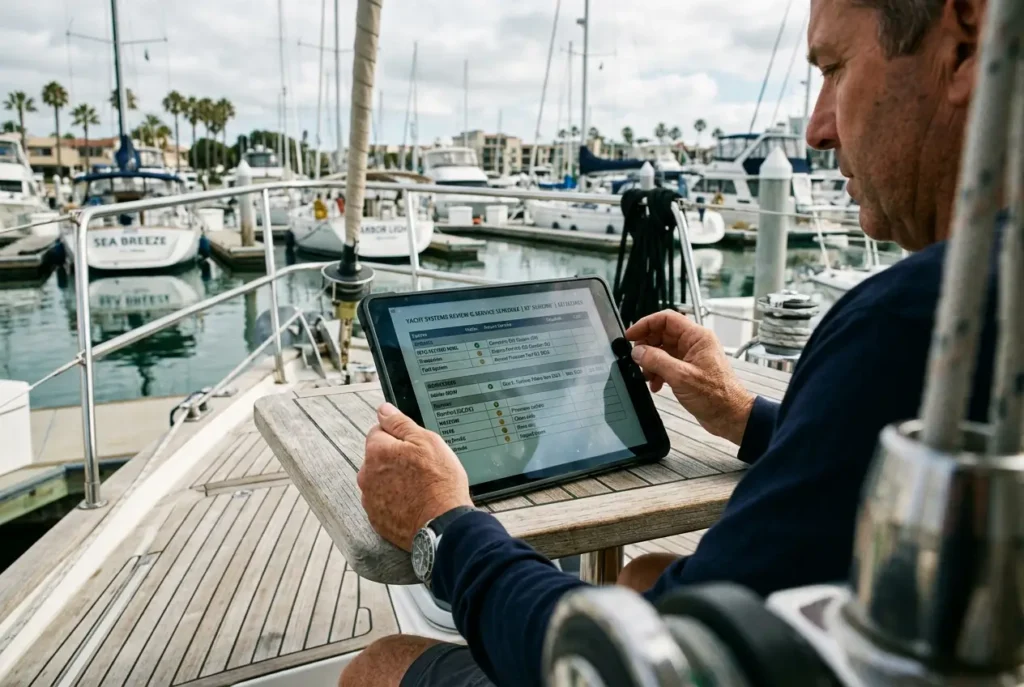
The first repair job serves as the “Minimum Viable Trust” (MVT) threshold. Once crossed, the service provider has the unique opportunity to integrate themselves into the vessel’s operational ecosystem.
The Anchor-and-Expand Strategy
- The Anchor (The Initial Repair): Solving an immediate, painful problem with precision and transparency.
- The Audit (The Upsell): Utilizing the time the boat is on the rack or in the slip to perform a comprehensive systems health check.
- The Roadmap (The LTV Driver): Presenting the owner with a 12-to-24-month “Vessel Reliability Roadmap” rather than a single invoice.
By providing a roadmap, the service provider shifts the conversation from “How much will this cost today?” to “How do we ensure 100% uptime for the upcoming season?”
Data-Driven Retention: Using Telematics and Service History
In the modern marine landscape, AI-driven diagnostics and telematics are becoming standard. Executives who leverage this data can predict failures before they happen, effectively “locking in” the LTV.
Implementation of Predictive Maintenance
Strategic marine operators are now offering “Concierge Maintenance Packages” that utilize engine hours and sensor data to trigger service alerts. This removes the cognitive load from the owner and ensures the vessel remains at the provider’s facility for its entire lifecycle.
Strategic Insight: A customer who engages in a managed maintenance program is 4.5x more likely to return for major refits and repower projects than a “walk-in” repair client.
Structural Barriers to LTV and How to Overcome Them
Many marine businesses fail to capture LTV because of fragmented communication. If the service manager, the parts department, and the billing office aren’t aligned, the customer experience degrades after the first job.
Professionalizing the Touchpoints
- Digital Documentation: Providing high-resolution photos and digital logs of all repairs.
- Transparent Communication: Using client portals to track work-in-progress.
- Post-Service Follow-ups: A 30-day “Systems Check” call to ensure the initial repair is holding and to discuss the next scheduled service.
FAQ: Maximizing Marine Service Revenue
How does focusing on LTV improve the valuation of a marine business?
Business valuation in the service industry is heavily weighted on the predictability of future cash flows. A “break-fix” shop is subject to market volatility and seasonality. By pivoting to an LTV-focused model with recurring service contracts, a business creates “sticky” revenue. This lowers the perceived risk for investors or buyers, often resulting in a 2x to 3x increase in EBITDA multiples compared to purely transactional competitors.
What is the most effective way to transition a one-time repair customer into a long-term contract?
The transition happens during the “handover” phase of the first repair. Instead of simply returning the keys, provide a “Condition Report” that categorizes future needs into Critical, Recommended, and Cosmetic. By framing the conversation around asset preservation and safety, you position the service contract as an insurance policy for their leisure time or commercial uptime.
How do AI and predictive analytics influence customer retention in the marine sector?
AI-integrated systems allow service providers to move from an “analog” schedule (e.g., every 100 hours) to a “condition-based” schedule. By monitoring real-time data such as oil temperature fluctuations or vibration patterns, you can contact the client with a specific, data-backed reason for service. This proactive outreach builds immense trust and positions your facility as a high-tech partner rather than a simple mechanic.
Is LTV equally important for small-scale repair shops compared to large shipyards?
Yes, and arguably more so. Smaller shops often have tighter margins and less capital for aggressive marketing. For these businesses, the cost of losing a customer after one job is a direct hit to the bottom line. Maximizing LTV through personalized service and consistent follow-up ensures that the limited “bay space” is always occupied by high-margin, loyal clients rather than low-intent, price-sensitive shoppers.
Strategic Conclusion: The Long-Game Mentality
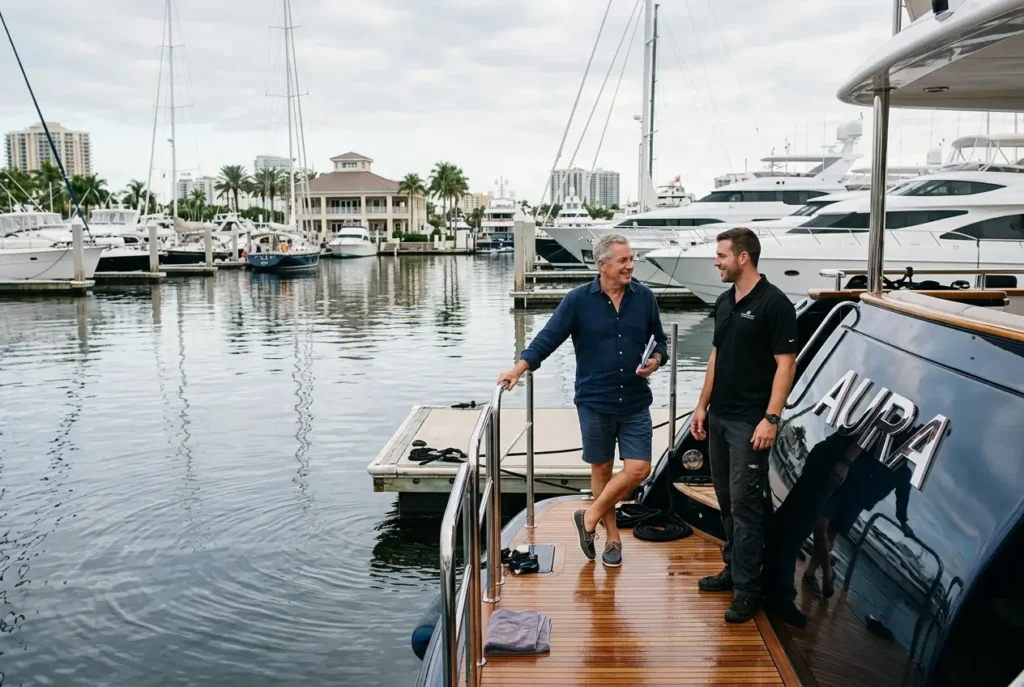
The marine industry is undergoing a professionalization phase. Vessel owners—particularly in the luxury and commercial sectors—are moving away from “shade-tree” mechanics in favor of structured, transparent service partners. By viewing the first repair job as the doorway to a multi-year revenue stream, you align your business interests with the owner’s desire for reliability.
The goal is not to win the invoice; the goal is to own the lifecycle of the vessel.
Optimize Your Marine Service Strategy
If your facility is still operating on a job-by-job basis, you are leaving significant margin on the table. It is time to audit your customer journey and identify where the “hand-off” from repair to retention is failing.
Would you like me to develop a 12-month “Vessel Reliability Roadmap” template that your team can use to convert one-time repair clients into recurring contract holders?