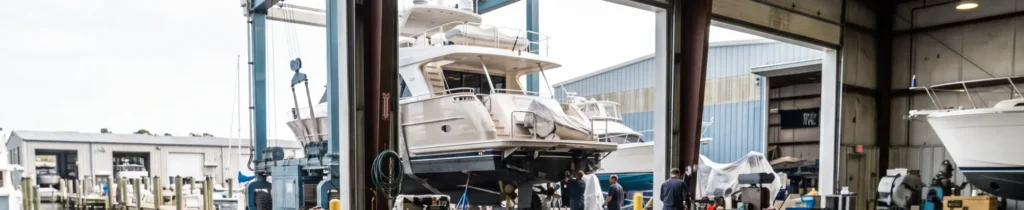
For decades, the recreational marine industry has operated on a rigidly entrenched, multi-tiered distribution model. Marine parts manufacturers produced the hardware, distributors warehoused the inventory, and local dealerships handled the final retail transaction with the boater. While this model provided manufacturers with broad geographic reach, it systematically stripped away gross margin, insulated the brand from the end-user, and created immense blind spots in consumer data.
Today, changing consumer expectations, the rise of the technically proficient DIY boater, and the proliferation of advanced digital search algorithms have rendered this legacy supply chain inefficient. Boat owners no longer want to drive to a local dealership, wait at the parts counter, and pay a premium for a component they could have ordered directly to their dock.
For executive leaders at marine manufacturing and aftermarket supply companies, establishing a Direct-to-Consumer (D2C) channel is no longer a fringe tactic; it is a financial imperative for margin expansion and enterprise valuation. However, the transition is fraught with operational risk—primarily, alienating the legacy dealer network that still accounts for the bulk of wholesale volume.
The solution to bypassing the dealer without destroying the wholesale relationship lies in algorithmic precision. By utilizing search intent SEO and highly structured data, marine suppliers can capture the DIY consumer exactly when the dealer cannot, creating a net-new revenue stream. This article outlines the strategic framework for architecting a marine parts D2C ecommerce strategy that protects wholesale relationships while capturing high-margin retail revenue.
The Economics of the Marine D2C Pivot
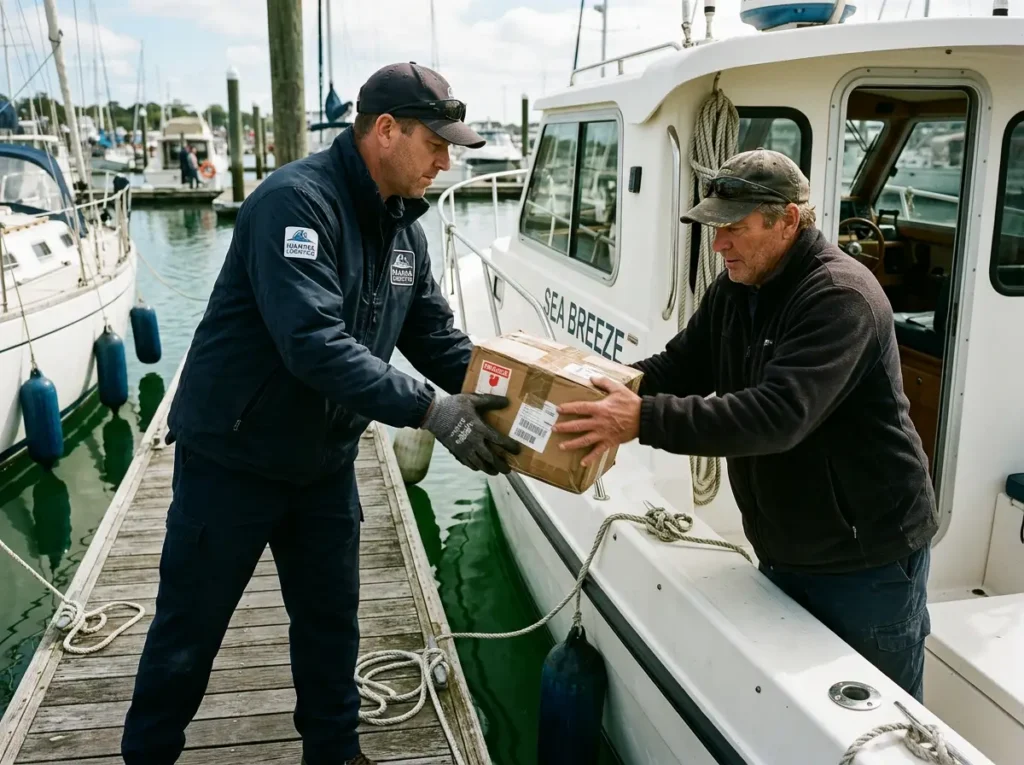
The decision to launch a D2C channel is fundamentally an exercise in margin recapture. In the traditional model, a component manufactured for $20 may wholesale to a distributor for $40, sell to a dealer for $60, and retail to the boater for $100. The manufacturer captures only $20 in gross profit, while the distribution network absorbs $60 simply for moving the box.
Margin Expansion and First-Party Data
By establishing a direct-to-boater channel, manufacturers can capture the full retail margin (or sell slightly below retail to incentivize direct purchasing while adhering to MAP). Furthermore, bypassing the dealer allows the manufacturer to capture first-party data. Understanding exactly which geographic markets are replacing specific impellers, bilge pumps, or manifolds allows for predictive inventory forecasting and highly targeted, automated remarketing—capabilities that are impossible when the dealer owns the customer relationship.
The Rise of the Technically Proficient DIY Boater

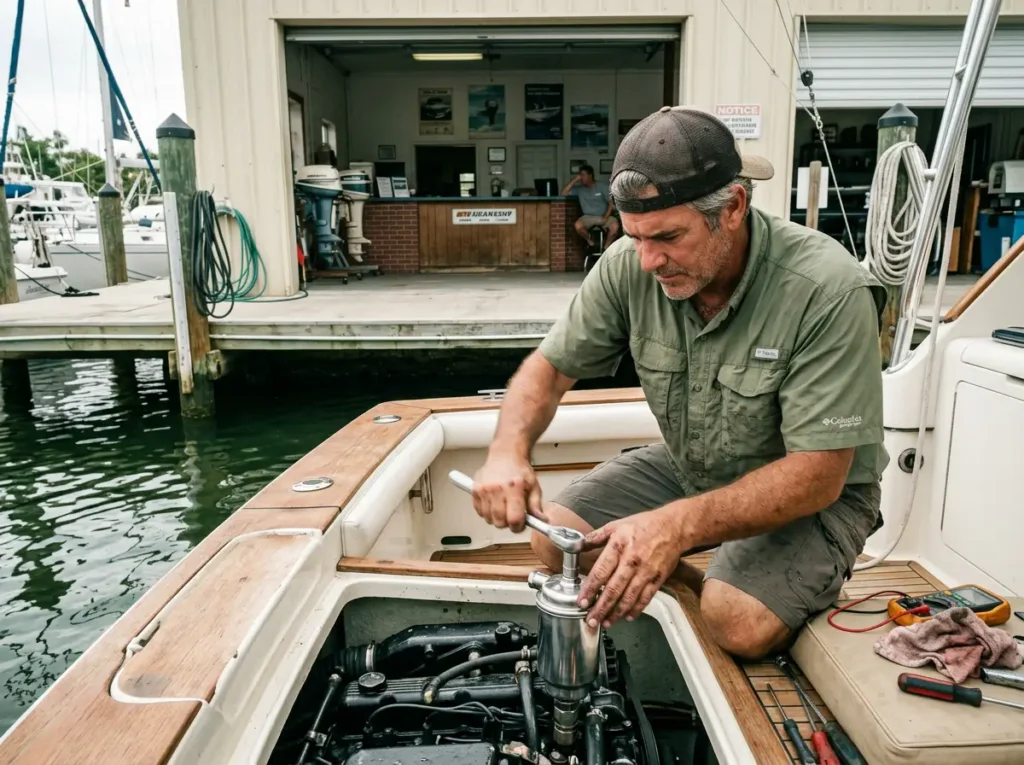
The modern boat owner is increasingly equipped to handle intermediate maintenance. Armed with YouTube tutorials, digital service manuals, and specialized marine forums, the DIY boater bypasses the dealership service department entirely for tasks like winterization, fluid changes, and bolt-on electronics upgrades.
This consumer does not want to interact with a dealership parts counter. They want to identify the exact part number online, verify its compatibility with their specific hull and engine year, and execute the transaction digitally. If an Original Equipment Manufacturer (OEM) or aftermarket supplier fails to provide this seamless digital experience, the boater will invariably turn to Amazon or massive third-party aggregators, eroding the manufacturer’s brand equity and pricing power.
Decoupling from the Dealer via Search Intent
The primary objection to launching a marine parts D2C ecommerce strategy is the fear of channel conflict. Dealers will invariably push back if they feel the manufacturer is actively cannibalizing their retail sales. The strategic workaround is to capture demand through hyper-specific search intent that local dealerships are unequipped to target.
Informational vs. Transactional Queries

Dealers allocate their marketing budgets to high-level transactional queries: “Yamaha outboard dealer near me” or “Boat repair in [City].” They rarely possess the technical infrastructure to build SEO campaigns around individual part numbers or specific diagnostic queries.
Manufacturers must dominate the informational and long-tail transactional search intent. When a boater searches for “How to replace a raw water pump on a 2018 Mercruiser 350 MAG,” the manufacturer’s D2C site should rank first with a comprehensive technical article or video. Embedded directly within that content must be the exact schematic and a one-click “Add to Cart” button for the required pump assembly and gasket kit. You are not stealing the dealer’s customer; you are capturing a DIY user who was never going to walk into a dealership in the first place.
Capturing “Zero-Click” AI Search for Part Numbers
The integration of Large Language Models (LLMs) into search engines has fundamentally altered how boaters find replacement parts. Users now prompt AI with highly specific parameters: “What is the cross-reference part number for a Jabsco macerator pump 18590-2092, and who has it in stock?”
If your digital catalog relies on unstructured data or PDF manuals, the AI cannot read it, and you will not be recommended. OEM marine parts SEO requires structuring your entire digital inventory with Schema markup (Product, Offer, brand, sku). By feeding the AI exactly what it needs—price, availability, compatibility, and technical specifications—you bypass the traditional search engine results page entirely and become the definitive, zero-click answer for the consumer.
Building the D2C Digital Infrastructure
A successful D2C pivot requires moving beyond a basic Shopify storefront. Marine parts are highly complex, interdependent products. Selling a $4,000 chartplotter or a $500 trim tab actuator direct-to-consumer requires enterprise-level e-commerce architecture.
Schematic-Driven E-commerce Navigation
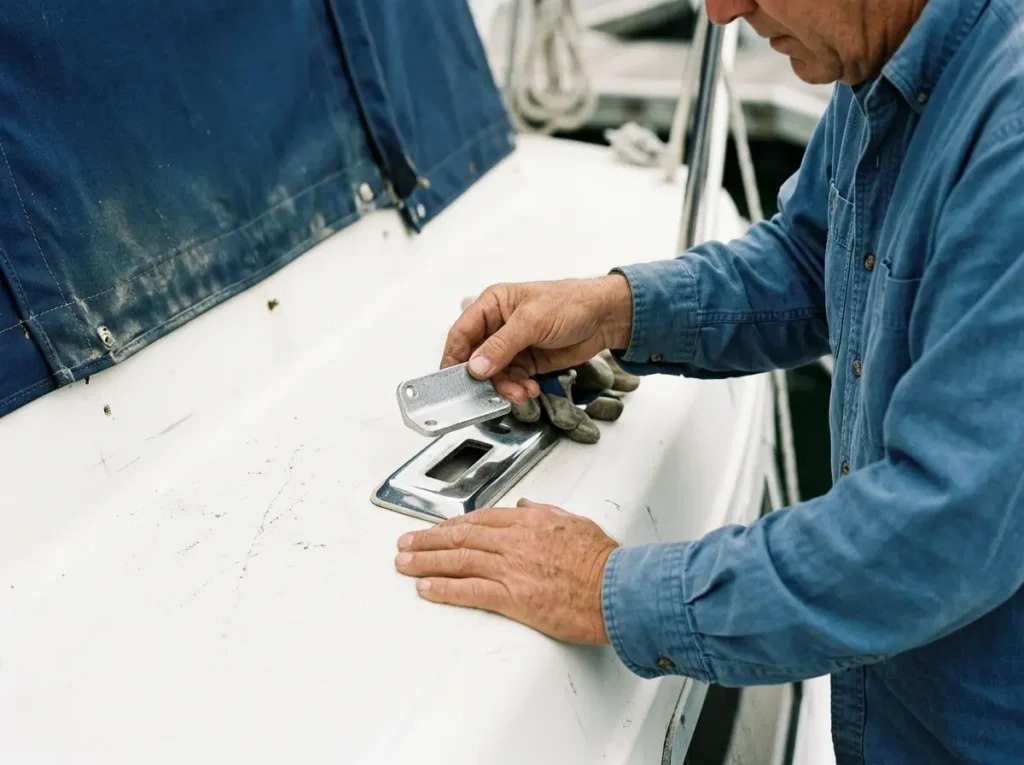
The highest point of friction in direct-to-boater marine parts sales is “fitment anxiety”—the boater’s fear of ordering the wrong part and disabling their vessel for the weekend.
To mitigate this, the D2C platform must feature interactive, schematic-driven navigation. Users should be able to input their specific Engine Serial Number (ESN) or Hull Identification Number (HIN) and view an exploded, interactive diagram of their exact system. When the user hovers over a component in the diagram, the specific SKU, price, and stock status must dynamically populate. This eliminates purchasing hesitation, drastically reduces return rates, and builds immense brand trust.
Semantic SEO and Exact Match Part Data
Your product pages must be engineered for semantic search. Do not name a product “Impeller Kit.” Name it “Premium Neoprene Impeller Kit for Volvo Penta D4/D6 Engines – Replaces OEM Part #3583602.”
The page copy must explicitly list every compatible engine year, make, and model. It must include cross-reference numbers for competitor parts you are replacing. This exhaustive, highly structured data approach ensures that whether the boater searches by symptom, competitor part number, or exact OEM spec, your D2C listing captures the traffic.
Navigating the Dealer Relationship During a D2C Transition
You can build the most advanced D2C platform in the industry, but if your launch strategy incites a revolt among your top 50 wholesale accounts, the initiative will fail. Executive leadership must frame the D2C channel not as a competitor to the dealer, but as an additive strategy that benefits the entire ecosystem.
Pricing Parity and MAP Enforcement
The fastest way to destroy a dealer network is to undercut them on price. A successful D2C strategy demands ironclad Minimum Advertised Price (MAP) policies. Your D2C site must sell at the exact MSRP that the dealer is expected to sell at.
By holding the line on MSRP, you signal to the dealer that you are not competing on price. You are competing on convenience and inventory depth. If a consumer wants a discount or professional installation, they can go to the dealer. If they want the part shipped overnight to their marina at full retail price, they buy from you. This maintains market stability and protects dealer margins.
Revenue Sharing and Fulfillment Partnerships
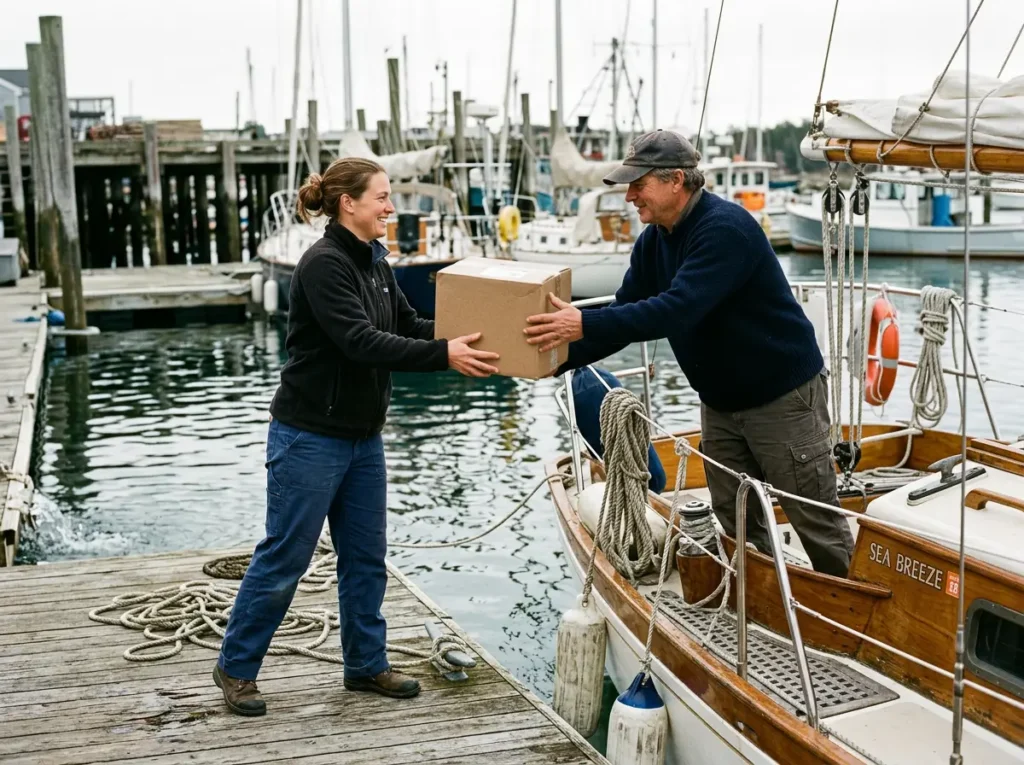
The most sophisticated manufacturers turn their dealers into D2C fulfillment centers. When a boater purchases a part on the manufacturer’s D2C website, the system’s order routing algorithm checks inventory levels at the dealership closest to the boater’s zip code.
If the local dealer has the part in stock, the manufacturer routes the order to the dealer for fulfillment (or local pickup), allowing the dealer to capture a percentage of the retail margin without having to spend a dollar on customer acquisition or digital marketing. This “ship-from-store” model transforms the D2C threat into a tangible benefit for the dealer network, ensuring wholesale loyalty while simultaneously offering the consumer the fastest possible delivery time.
Frequently Asked Questions (FAQ)
How do we prevent channel conflict with our existing marine dealers when launching D2C? Channel conflict is mitigated through strict price parity and strategic communication. Manufacturers must aggressively enforce MAP (Minimum Advertised Price) across all channels, ensuring the D2C site never undercuts the dealer’s retail price. Furthermore, executives should position the D2C channel as a tool to capture the DIY market—a segment that historically avoids dealership service departments. Implementing a revenue-share or “ship-from-store” model where local dealers fulfill D2C orders further aligns manufacturer and dealer incentives.
What is the best SEO strategy for ranking OEM marine part numbers? The core strategy is semantic depth and structured data. Search engines and AI algorithms parse text for explicit facts. Every product page must include the exact OEM part number in the H1 tag, the URL slug, and the meta description. Crucially, the page must feature comprehensive cross-reference charts, explicit lists of compatible engine serial numbers (ESNs) or hull models, and strict Product Schema markup. This ensures your page is the most technically accurate asset on the web for that specific SKU.
How does AI search impact the way boaters find replacement parts? AI search engines (like Google SGE or ChatGPT) synthesize direct answers rather than providing a list of links. Boaters are using conversational queries such as, “What are the exact replacement spark plugs for a 2021 Yamaha F250, and what is the gap setting?” If your D2C site only lists the part name and price, AI will bypass you. You must include technical specifications, installation guides, and diagnostic data on the product page so the AI can extract the answer and confidently cite your brand as the source.
What ecommerce platform is best suited for a marine parts supplier with 10,000+ SKUs? For manufacturers with massive, complex SKU counts and intricate fitment requirements, basic platforms often fail. Enterprise solutions like Shopify Plus, BigCommerce Enterprise, or Magento (Adobe Commerce) are required. The platform must be capable of handling dynamic, multi-variant filtering (Year/Make/Model lookup tools), integrating seamlessly with the manufacturer’s ERP system for real-time inventory syncing, and supporting interactive schematic navigation for complex assemblies.
Should we list our marine parts on Amazon or build our own D2C channel? You should build your own D2C channel first, using Amazon only as a strategic, highly controlled secondary outlet. Relying primarily on Amazon erodes your brand equity, forces you into a race to the bottom on price, and deprives you of first-party customer data. By building an owned D2C channel, you control the customer experience, capture the full retail margin, and acquire the data necessary to remarket directly to the boater. Amazon should be utilized strictly to liquidate obsolete inventory or capture extreme top-of-funnel brand awareness.
Strategic Conclusion
The era of manufacturers relying solely on a fragmented, multi-tiered dealer network to reach the end-user is ending. The modern boater demands digital convenience, technical transparency, and immediate fulfillment. Marine parts suppliers that fail to adapt to these expectations will cede market share to agile aftermarket competitors and massive e-commerce aggregators.
By deploying a sophisticated marine parts D2C ecommerce strategy, executive leaders can successfully bypass the inefficiencies of the legacy supply chain without cannibalizing their critical wholesale relationships. Dominating search intent, structuring part data for AI retrieval, and implementing intelligent fulfillment partnerships allows manufacturers to capture the highly profitable DIY segment. In a marine industry facing margin compression and shifting consumer demographics, owning the direct relationship with the boater is the ultimate strategic moat.