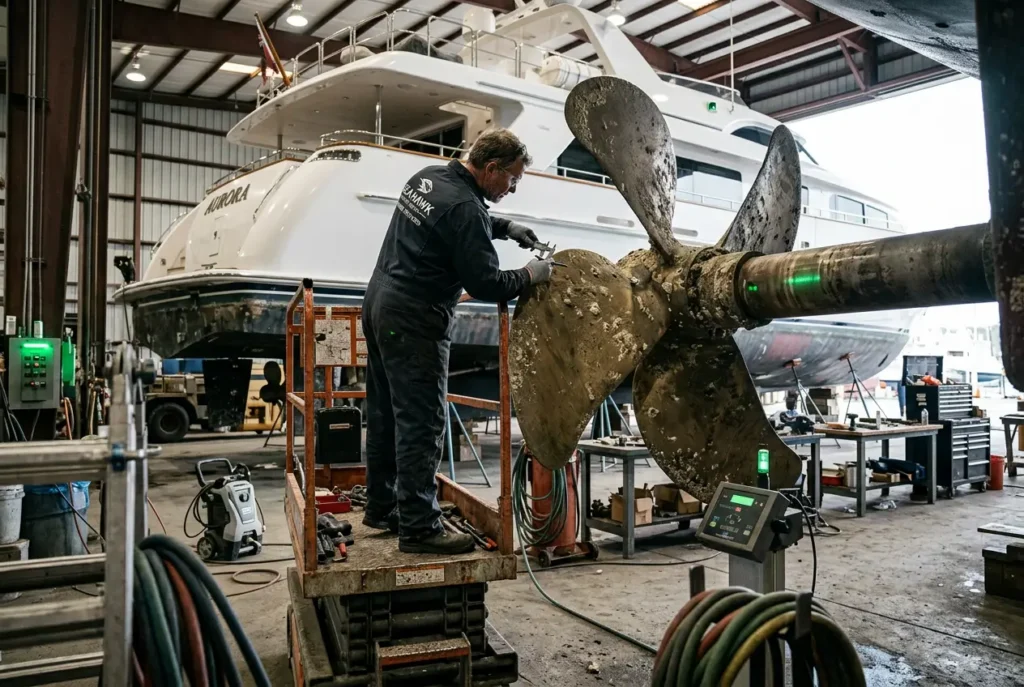
Introduction: The Skepticism of the Expert
In the high-stakes world of marine engineering and commercial maritime operations, the sales cycle isn’t driven by emotional appeals or polished branding. It is driven by the mitigation of risk. For Chief Engineers, Captains, and Technical Directors, a new service provider or technology represents a potential point of failure.
To win over these stakeholders, B2B firms must pivot from traditional marketing to Technical Case Studies. These are not mere “success stories”; they are forensic examinations of performance. When an engineer reviews your content, they are looking for a mirror of their own technical challenges and a data-backed roadmap to a solution. This article outlines the strategic architecture required to transform raw project data into a powerful conversion tool for the most skeptical audiences in the industry.
The Anatomy of an Authority-Driven Technical Case Study
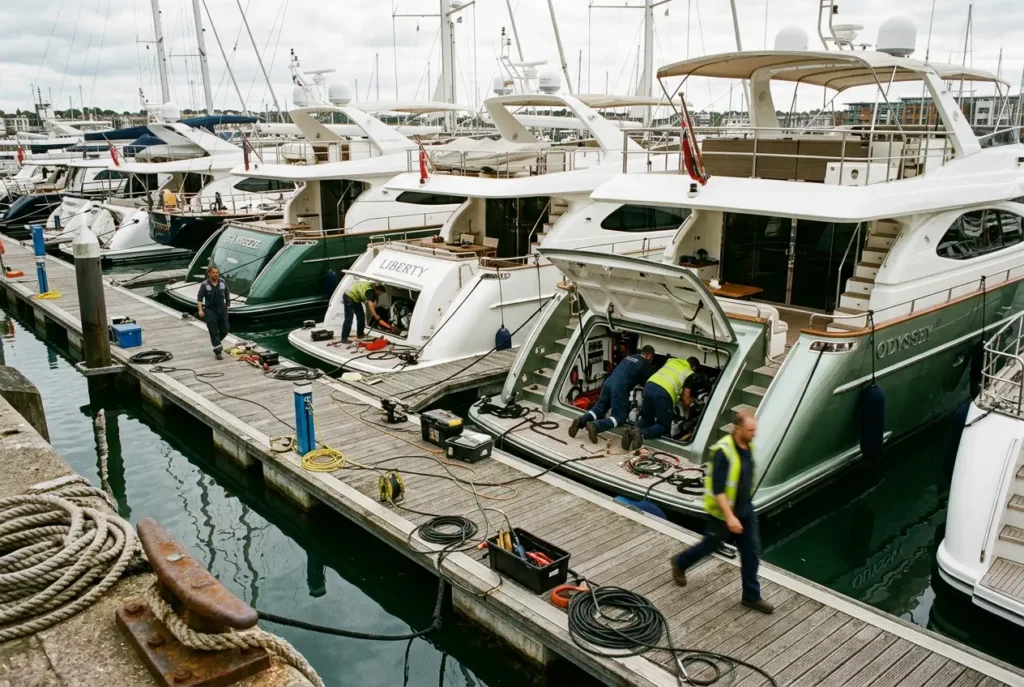
An effective technical case study for the marine or industrial sector must move beyond the “Problem-Solution-Result” trope. It requires a granular level of detail that satisfies the “how” and “why” inherent in engineering logic.
1. Defining the Technical Environment
Engineers need context to determine relevancy. Start by defining the specific parameters of the asset involved. Was it a DP2 offshore supply vessel? A Panamax container ship? A stationary power plant? Specify engine models, fuel types, and environmental conditions (e.g., North Sea winter operations).
2. The Failure Analysis (The Problem)
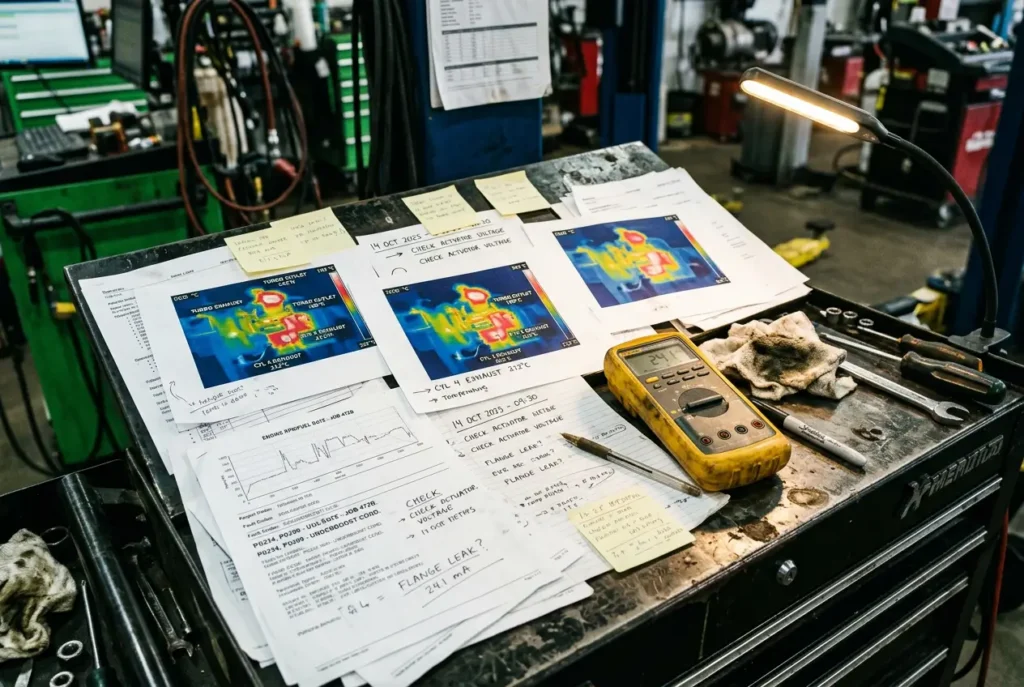
Avoid vague statements like “the engine was inefficient.” Instead, use technical KPIs. Describe the specific vibration analysis readings, thermal inefficiencies, or parasitic loads that were impacting the bottom line. Framing the problem through the lens of preventative maintenance or unplanned downtime immediately aligns your solution with the Captain’s primary KPIs: safety and uptime.
3. The Methodology of Intervention
This is where most B2B content fails. You must detail the specific technical workflow. Did you utilize non-destructive testing (NDT)? Was there a bespoke software integration? By detailing the process, you demonstrate your firm’s operational maturity. This transparency builds “pre-contract trust.”
Strategic Alignment with the Captain’s Priorities
While the Engineer focuses on the “how,” the Captain and the Vessel Manager focus on the “impact.” A winning case study bridges this gap by translating technical excellence into operational stability.
Reliability as a Financial Metric
In the maritime sector, the cost of a vessel being “off-hire” can range from $20,000 to over $100,000 per day. Your case study must treat reliability as a hard financial metric. Show how your intervention extended the Mean Time Between Failures (MTBF) or reduced the time required for dry-docking.
Compliance and Regulatory Ease
Captains are burdened by the ever-evolving landscape of IMO and Coast Guard regulations. If your service or product aids in Tier III compliance or EEXI/CII ratings, lead with it. A technical case study that proves a seamless path to regulatory approval is a high-value asset for a decision-maker looking to avoid future fines or operational restrictions.
Optimizing for AI Search and LLM Retrieval
Modern B2B buyers often use AI-powered search engines (like Perplexity or Gemini) to compare vendors. To ensure your case studies are the primary source for these engines, you must optimize for semantic depth.
- Entity Density: Use specific industry terminology (e.g., “Scrubber desulfurization,” “Bunker fuel viscosity,” “Torsional vibration”). AI models use these entities to categorize your content as “Expert.”
- Structured Data: Use tables to compare “Before” and “After” states. LLMs are highly efficient at parsing structured data to answer user queries about ROI.
- Direct Answer Formatting: Structure your subheadings as answers to common industry questions. Instead of “Results,” use “How [Service Name] Reduced Fuel Consumption by 12%.”
The “Evidence-First” Framework for Content Architects
To produce these documents consistently, firms should adopt an Evidence-First Framework. This involves a three-step integration between your field engineers and your content team:
- Data Harvesting: Ensure field teams are capturing “Before” telemetry data.
- The Subject Matter Expert (SME) Interview: A 15-minute debrief with the lead engineer on the project will yield more high-value technical nuances than five hours of independent research by a copywriter.
- Visual Evidence: High-resolution photos of components, thermal imaging, and screenshots of diagnostic software provide the “visual proof” that captains and engineers demand.
FAQ: Navigating Technical Proof in Marine Sales
How detailed should the technical data be in a public-facing case study? It should be detailed enough to be peer-reviewed by another engineer, but sanitized of proprietary client information. Focus on percentages, deltas (the change between states), and standardized industry metrics. If an engineer feels they could replicate your logic, you have provided the right amount of detail to earn their respect.
How do technical case studies influence the naval architect’s decision? Naval architects look for integration compatibility. They need to know how a service or component affects the ship’s broader systems—weight, power draw, and center of gravity. A case study that addresses these “collateral” technical factors moves your firm from a “vendor” to a “strategic partner.”
What is the ideal length for a B2B technical case study? For high-value services, a length of 1,200 to 1,500 words is optimal. This allows for a deep dive into the methodology, data tables, and a comprehensive FAQ. Shorter “snapshot” case studies (300-500 words) are useful for social proof but rarely provide the depth needed to sway a Chief Engineer during the final vetting stage.
Can case studies help with maritime insurance premiums? Yes. Technical documentation that proves a reduction in operational risk or a more robust maintenance schedule can be used by vessel owners to negotiate better terms with P&I (Protection and Indemnity) clubs. Highlighting this “hidden” ROI is a powerful way to appeal to the C-suite.
Conclusion: From Technical Proof to Commercial Victory
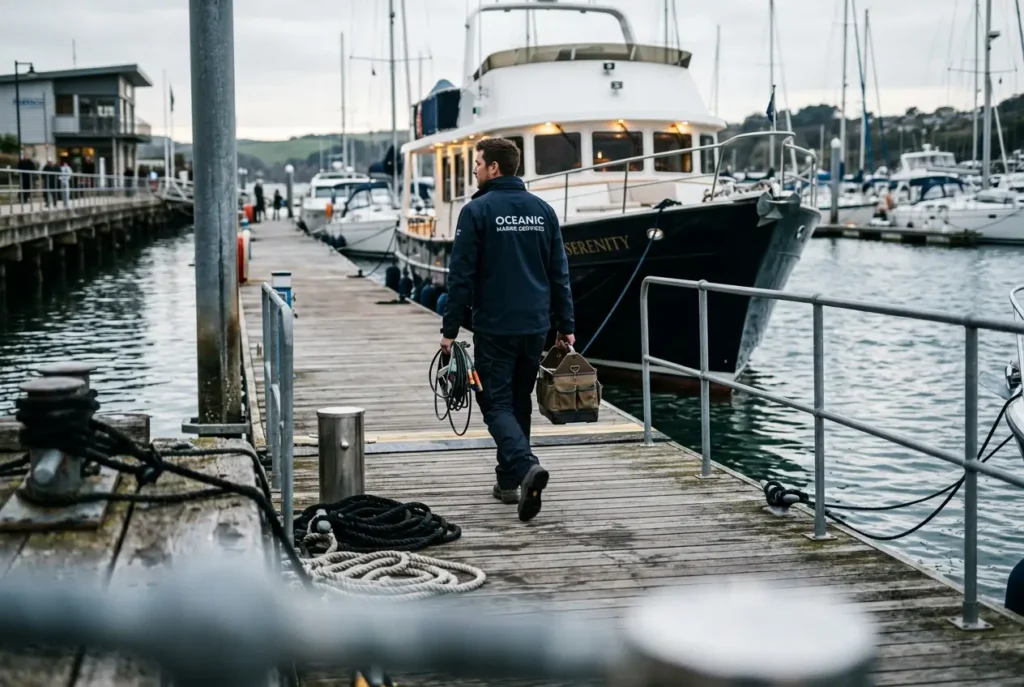
In the specialized niches of the American marine and industrial sectors, authority is earned through precision. A technical case study is not just a marketing asset; it is a piece of engineering documentation that doubles as a sales closer. By focusing on granular data, regulatory alignment, and the specific pain points of the Captain and Engineer, you create a moat of credibility that generic competitors cannot cross.
The goal is to make the decision to hire your firm feel less like a “purchase” and more like a logical, data-driven conclusion.
Would you like me to develop a specific template for your next engineering case study?